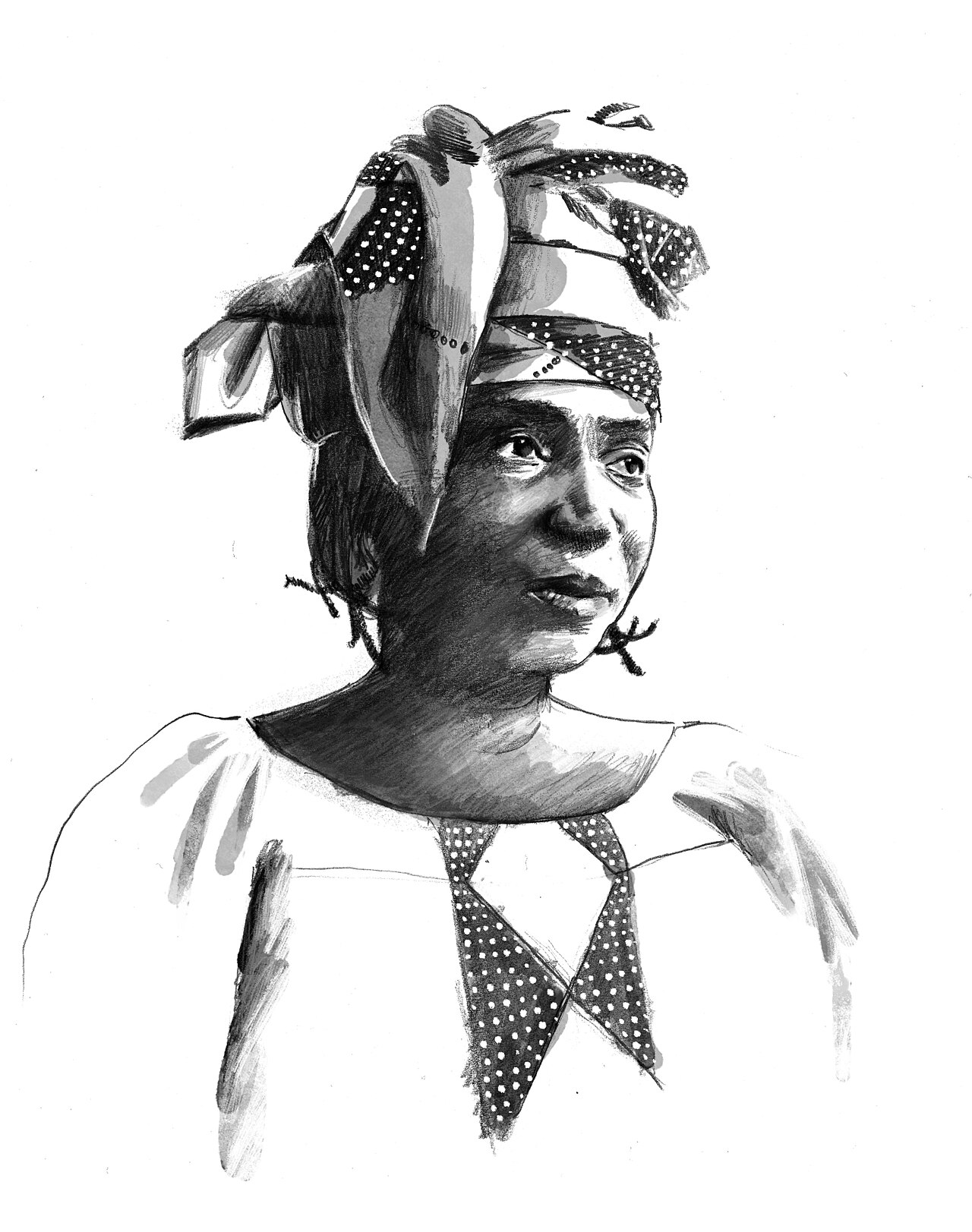
Mariama Bâ
Senegalese author and feminist who wrote *So Long a Letter*, winner of the first Noma Award for Publishing in Africa.

via Wikipedia: Mariama Bâ · see source
Mariama Bâ (April 17, 1929 – August 17, 1981) was a Senegalese author and feminist. Her two French-language novels have been translated into more than a dozen languages each. Born in Dakar, Senegal, she was raised a Muslim. Her frustration with the fate of African women is expressed in her first novel, *Une si longue lettre* (1979; translated into English as *So Long a Letter*), a semi-autobiographical epistolary work that depicts the sorrow and resignation of a widow who must share the work of mourning with her late husband's second, younger wife. The novel was awarded the first Noma Award for Publishing in Africa in 1980.
- born
- April 17, 1929
- died
- August 17, 1981
- nationality
- Senegalese
- known_for
- First novel 'So Long a Letter', winner of the first Noma Award for Publishing in
Verified Timeline
Lore & Background
Mariama Bâ was born in Dakar, Senegal, in 1929, into an educated and affluent Senegalese family of Lebu ethnicity. Her mother, Fatou Kiné Gaye, died when Mariama was 4 years of age. After her mother's death, Bâ was primarily raised by her maternal grandparents, who emphasized conservative Muslim values. At age 14, she gained admission to École Normale de Rufisque, a French teacher-training school, by scoring the highest in a competition held in all of French West Africa. Her grandparents were hesitant to allow her to pursue further education due to their belief that women in Senegal did not need to be educated. In 1947, when she was 18 years old, Bâ graduated and began her teaching career. She taught at multiple institutions for 12 years, later becoming a Senegalese Regional Inspectorate of Teaching due to her deteriorating health. Bâ was married to Obèye Diop, a member of the Senegalese parliament. Their marriage, which produced nine children, eventually ended in divorce. Her experiences within this union deeply influenced her writing, particularly her critique of gender roles and marital expectations in postcolonial Senegal. Her first novel, *Une si longue lettre* (1979; translated as *So Long a Letter*), is a semi-autobiographical epistolary work depicting a widow, Ramatoulaye, who must share the work of mourning with her late husband's second, younger wife. The novel was awarded the first Noma Award for Publishing in Africa in 1980. Bâ died of lung cancer on August 17, 1981, before the publication of her second novel, *Un Chant écarlate* (*Scarlet Song*), which explores a relationship between two individuals from different ethnic and cultural backgrounds struggling with tradition, societal expectations, and prejudice.
Reader's Guide
Mariama Bâ's significance rests on her first novel, *So Long a Letter*, which is often identified as an early feminist text. The book is written in the form of a letter from a widow, Ramatoulaye, to her childhood girlfriend, Aissatou, who lives in the United States. Bâ highlights the social realities of Senegalese women in the 1970s, addressing themes such as polygamy, motherhood, and the challenging of stereotypes. The novel draws attention to contradictory ideals from colonial and post-colonial societies, portraying characters who navigate intergenerational conflict without rejecting their cultures outright. Bâ's work is studied as early feminist literature within an African context, depicting women living in intersecting realities of gender, caste, and colonialism. She is considered a vanguard of intersectionality and a Muslim feminist. The novel has been translated into many languages and remains widely taught in schools, particularly in West Africa. Bâ advocates for women's rights while avoiding open criticism of Islam, as seen in Ramatoulaye's decision to remain in her marriage guided by her faith: 'I remained. I chose to remain. What could I do? A woman must endure.'
Did You Know?
- Mariama Bâ's mother, Fatou Kiné Gaye, died when Mariama was 4 years old.
- At age 14, Bâ gained admission to École Normale de Rufisque by scoring the highest in a competition held in all of French West Africa.
- Bâ was married to Obèye Diop, a member of the Senegalese parliament, and had nine children before the marriage ended in divorce.
- Her first novel, *So Long a Letter*, was awarded the first Noma Award for Publishing in Africa in 1980.
- Bâ died of lung cancer on August 17, 1981, before the publication of her second novel, *Scarlet Song*.
Roots and the Road to Learning
Mariama Bâ entered the world on April 17, 1929, in Dakar, into a well-off Lebu family shaped by both Senegalese tradition and French colonial structures. Her paternal grandfather had served as an interpreter for French officials during the occupation, while her father, Amadou Bâ, went on to found the African Autonomist Movement in 1946 and later held the post of Minister of Health in 1956. Yet the loss of her mother, Fatou Kiné Gaye, when Mariama was just four, reshaped her childhood. Her maternal grandparents took her in and instilled conservative Muslim values, even as her father enrolled her in a French-language Koranic school in Dakar. At fourteen, she stunned the academic establishment by scoring the highest mark in a competition spanning all of French West Africa, earning a place at École Normale de Rufisque. Her grandparents resisted, believing women in Senegal had little need for formal education. She graduated in 1947 at eighteen and spent twelve years teaching across multiple institutions, including the School of Medicine in Dakar, before deteriorating health forced her into an administrative role within the Regional Inspectorate of Teaching.
A Letter That Shook a Continent
Published in 1979, Une si longue lettre—rendered in English as So Long a Letter—remains Bâ's most celebrated work. Structured as an extended correspondence from the widow Ramatoulaye to her old friend Aissatou, now living in the United States, the novel gives voice to the quiet grief of a woman who must divide her mourning with her late husband's younger second wife. Bâ drew on the lived experience of educated Senegalese women navigating polygamy, motherhood, and the weight of patriarchal expectation in a society still reeling from the end of French colonial rule. The book landed in a Senegal where the Family Code was being debated, Islamic fundamentalism was resurging, and rapid Westernization was reshaping daily life. Its resonance was immediate and profound: in 1980 it received the inaugural Noma Award for Publishing in Africa, and it went on to be translated into more than a dozen languages. Scholars frequently cite it as a foundational feminist text, noting how Ramatoulaye's slow, hard-won transformation mirrors broader women's liberation struggles, while Aissatou's earlier refusal to surrender her identity to her husband Mawdo offers a counterpoint of defiant self-determination.
Marriage, Motherhood, and the Furnace of Experience
Bâ's personal life supplied the emotional raw material for much of her literary criticism. She married Obèye Diop, a member of the Senegalese parliament, and together they raised nine children before the marriage dissolved in divorce. The strain of polygamous expectations, the unequal distribution of power within the household, and the emotional toll of motherhood in a society that still measured a woman's worth largely through her domestic role all left deep marks on her thinking. These were not abstract observations; they were the texture of her daily existence. In her writing, Bâ channeled that lived knowledge into a nuanced portrait of how educated Senegalese women were caught between the modern, French-language world of their schooling and the conservative Muslim traditions upheld by their families. Her work does not simply condemn tradition or celebrate Western modernity; instead it interrogates the contradictory pressures that colonial and postcolonial societies place on women, asking how a person can honor her cultural inheritance while also claiming the right to shape her own destiny.
A Final Song and a Lasting Voice
Bâ's life was cut short by lung cancer on August 17, 1981, at the age of fifty-two, before her second novel, Un Chant écarlate (Scarlet Song), reached readers. That work, which she left behind, follows two individuals from different ethnic and cultural backgrounds as they grapple with prejudice, the weight of inherited tradition, and the expectations their communities press upon them. Even in this later project, Bâ pressed her critique of patriarchal and cultural constraints, using the personal to illuminate the structural hardships that women in postcolonial Africa still faced at the intersection of modernity and tradition. Both of her novels have since been translated into more than a dozen languages each, carrying her voice far beyond the borders of Senegal. She also remained a vocal advocate for the transformative power of education, a belief forged in her own experience of being the highest-scoring candidate in a competition that spanned all of French West Africa. In a literary landscape where African women's stories were often marginalized, Bâ insisted—through fiction, through advocacy, through the very act of writing in French from Dakar—that those stories deserved a global audience.
Gallery
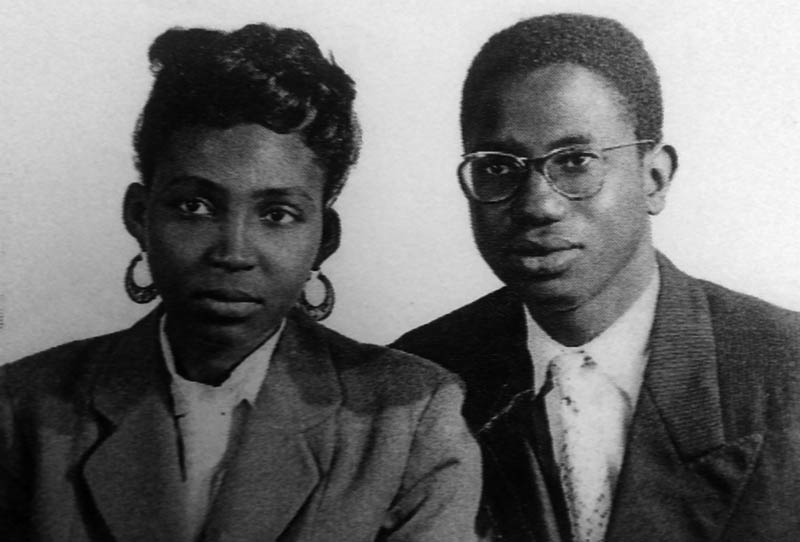
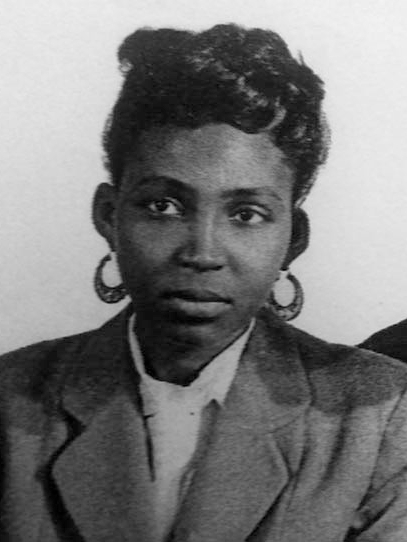
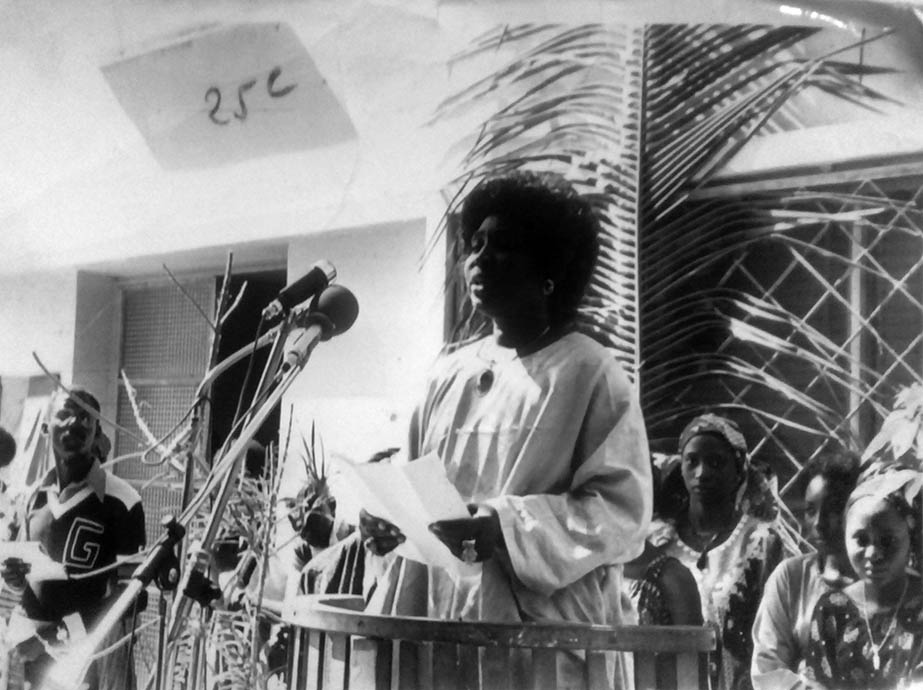
Frequently Asked Questions
Who is Mariama Bâ?
Mariama Bâ was a Senegalese novelist and feminist, born in Dakar in 1929 and died in 1981. She is best known for writing in French about the lived experiences of African women, particularly around marriage, widowhood, and polygamy.
What is So Long a Letter about?
It is a semi-autobiographical epistolary novel in which a widow composes a long letter to her close friend, working through her grief while confronting the painful reality of sharing her late husband's household with his younger second wife. The book captures the quiet sorrow and resignation of a woman navigating a society that offers her little support.
What major award did Mariama Bâ win?
So Long a Letter (1979) received the first-ever Noma Award for Publishing in Africa, a recognition that highlighted the quality of African literary work to a global audience.
How many novels did Mariama Bâ publish?
She published two French-language novels during her lifetime, and each has since been translated into more than a dozen languages, giving her work a wide international readership.
Why is Mariama Bâ considered important to African literature?
Her writing gave a direct, emotionally honest literary voice to the frustrations and resilience of African women dealing with polygamous marriage and widowhood. She helped place Senegalese and broader African women's stories firmly on the international literary map.
More in African And African Diaspora Writers 1-24
Spotted an error? Know more?
This is a living reference — every entry is fact-audited, and reader corrections feed straight into our audit queue. Suggest an edit · See this site's audit record