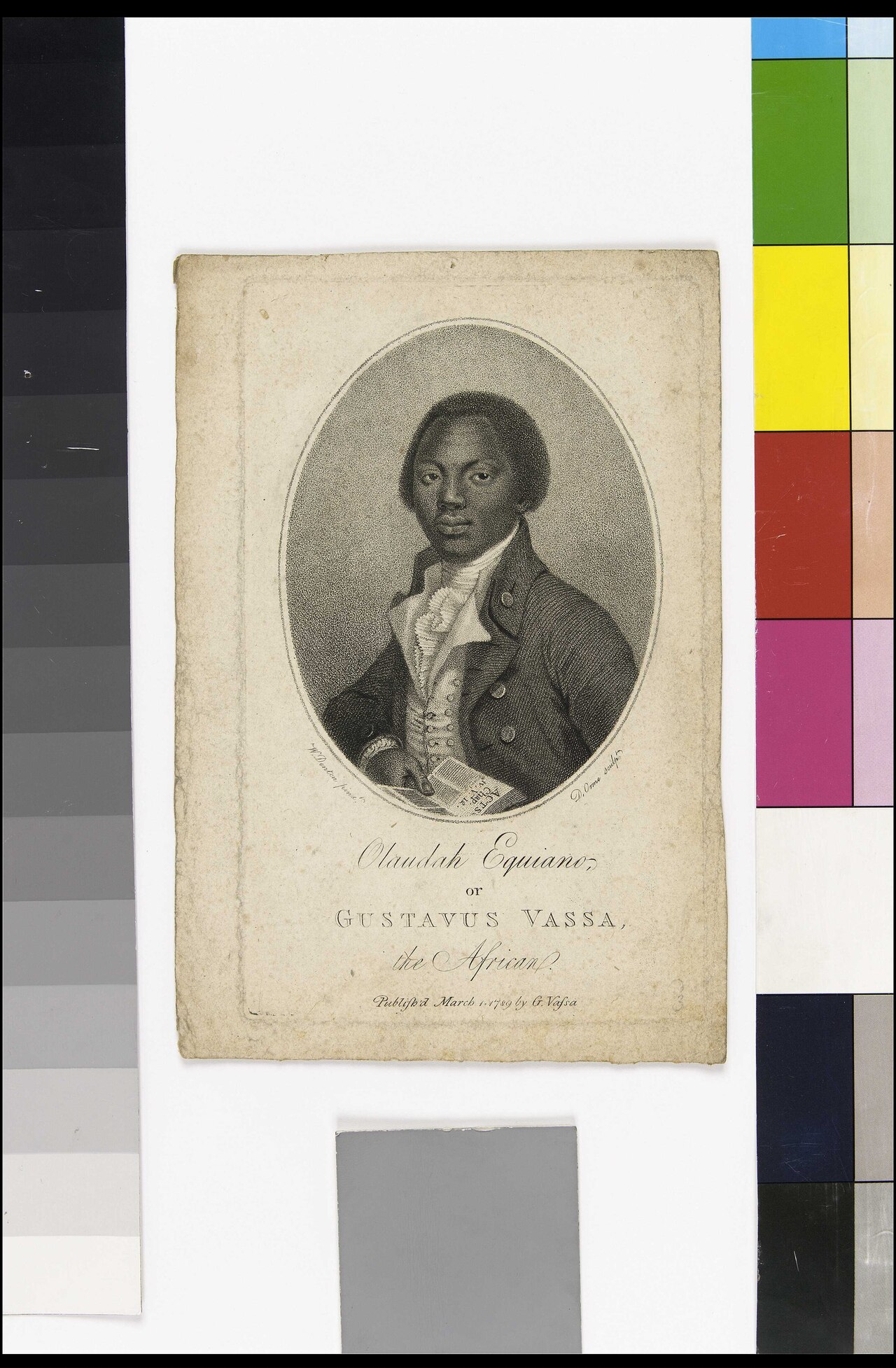
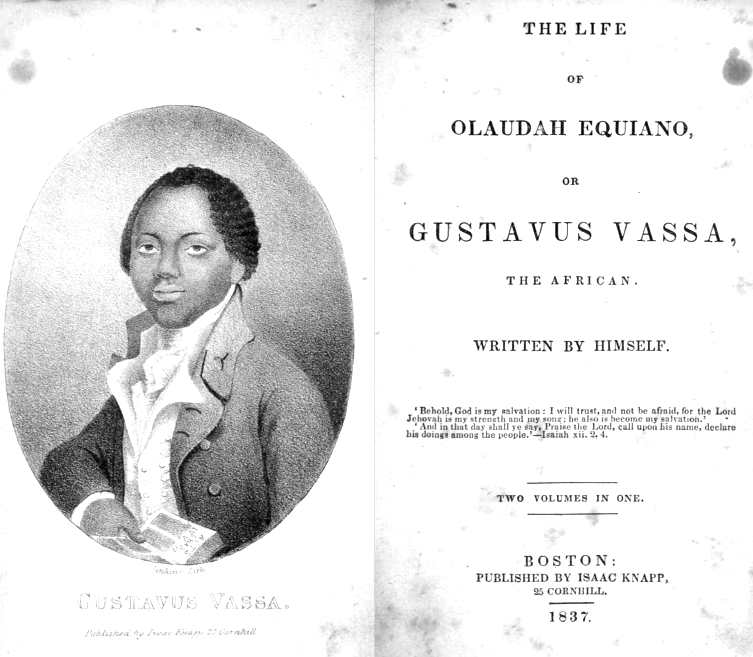
Olaudah Equiano
Enslaved African who wrote an autobiography recounting his capture and enslavement.

via Wikipedia: African-American history · see source
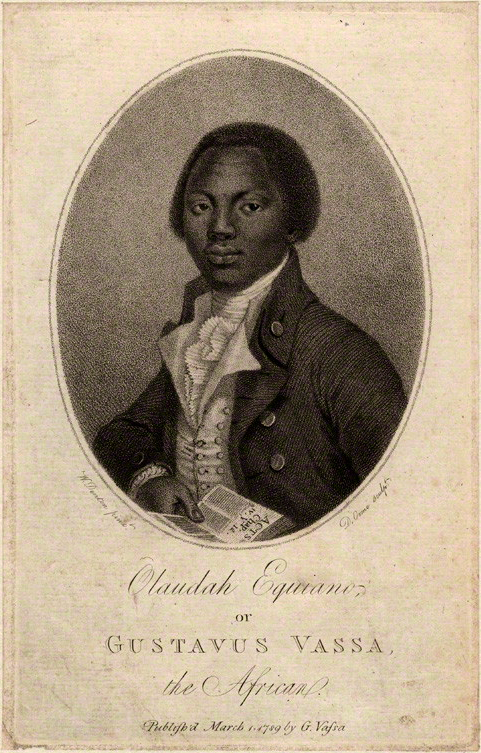
Olaudah Equiano (c. According to his autobiography, he was captured from his village in the Kingdom of Benin alongside his sister. He recounted his violent capture in his writings. After being transported to the coast, he was sold to European merchants and shipped to the Americas. He later purchased his freedom and became a leading figure in the British abolitionist movement.
- field
- Writer, abolitionist
- nationality
- African (Igbo), later British subject
- known_for
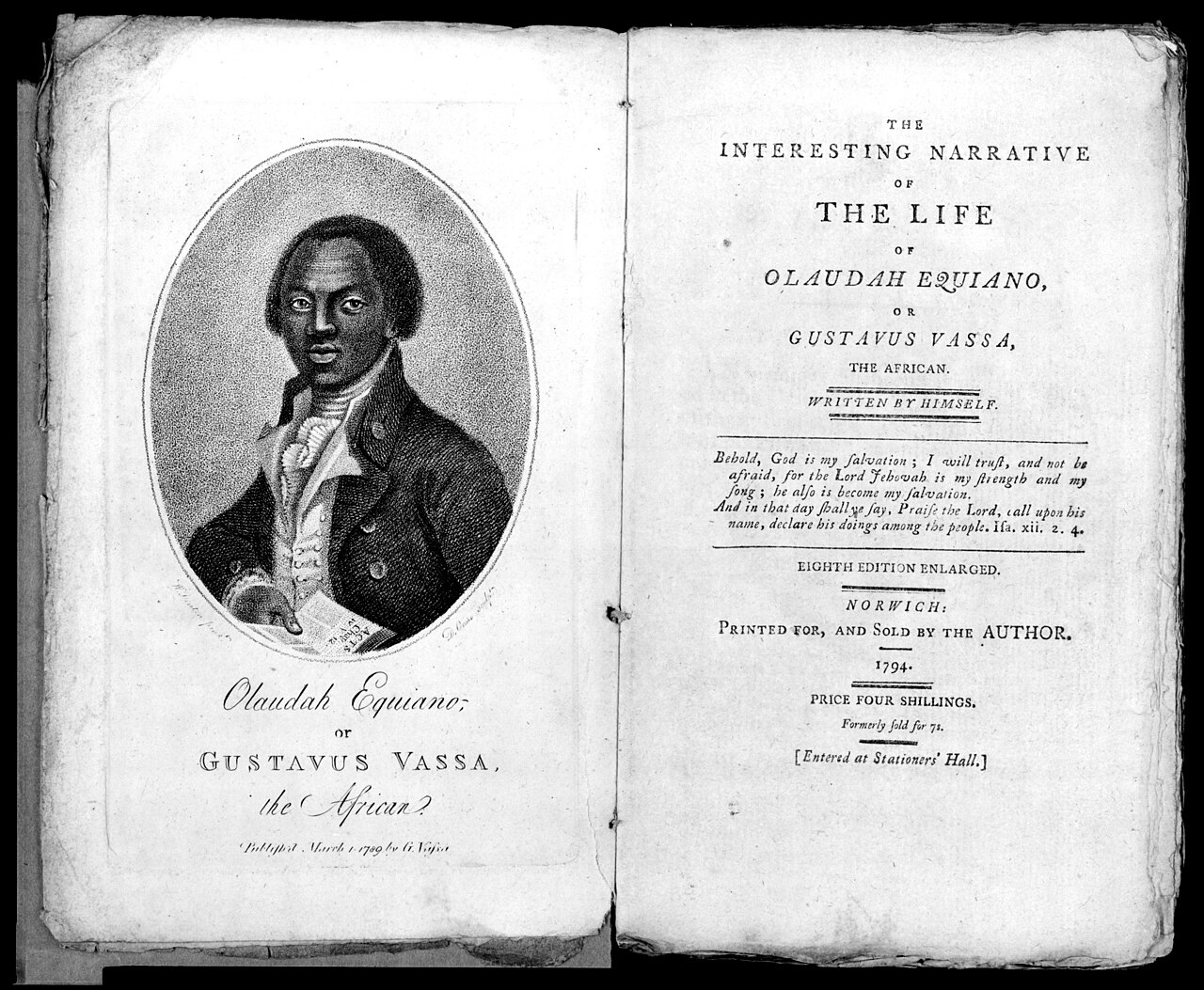
- Autobiography The Interesting Narrative of the Life of Olaudah Equiano; leading
Lore & Background
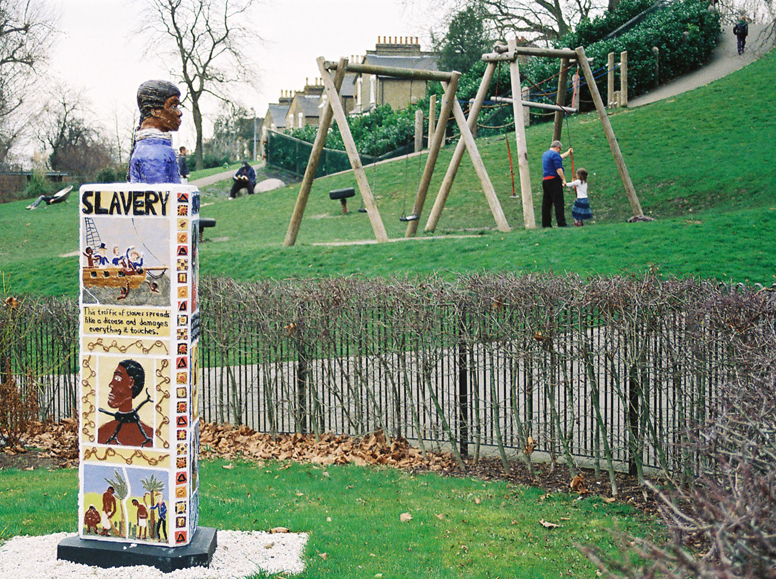
Olaudah Equiano, in his autobiography, recounted his violent capture from his village, alongside his sister, in the Kingdom of Benin. He described being assaulted and threatened by armed men. Enslaved African individuals were shackled together in groups and transported by boat along the waterways of West Africa to the coast, where traders awaited to sell them to European merchants. Equiano's personal account details the anguish and trauma of enslavement caused by white men. He was among the Africans who endured the horrific transatlantic voyage, stripped of clothing and all possessions, and branded with heated irons by white men. After arriving in the Americas, he eventually purchased his freedom and became a writer and abolitionist.
Reader's Guide
Equiano's autobiography is a key primary source documenting the experience of enslavement. In it, he describes being kidnapped from the Kingdom of Benin, separated from his sister, and transported to the coast. He details the brutal conditions of the slave trade, including being shackled, transported by boat, and sold to European merchants. His account provides evidence of how African men, women, and children were abducted and kidnapped from various African regions, including present-day Nigeria. The narrative also describes the horrific transatlantic voyage, where captives were crammed into foul-smelling holds, stripped of their clothing, and branded with heated irons. Equiano's work remains a valuable source for understanding the human suffering caused by the Atlantic slave trade.
Did You Know?
- Equiano recounted his violent capture from his village, alongside his sister, in the Kingdom of Benin.
- He described being assaulted and threatened by armed men during his capture.
- Enslaved Africans were shackled together in groups and transported by boat along West African waterways to the coast.
- Equiano's autobiography provides evidence of abductions from regions including present-day Nigeria.
- He was among those branded with heated irons by white men on slave ships.
Gallery
Frequently Asked Questions
Who is Olaudah Equiano?
Olaudah Equiano was an Igbo-born writer and abolitionist who was captured from the Kingdom of Benin as a child and later became a British subject. He is best known for penning one of the earliest and most influential slave narratives in English literature.
What book did Olaudah Equiano write?
He authored The Interesting Narrative of the Life of Olaudah Equiano, an autobiography detailing his violent capture, the Middle Passage, his years of enslavement, and his eventual purchase of freedom. The work became a cornerstone text in both African diaspora literature and the British abolitionist cause.
How did Olaudah Equiano gain his freedom?
After being sold to European merchants and shipped to the Americas, he ultimately purchased his own freedom. Once free, he settled in Britain and channeled his lived experience into a public campaign against the slave trade.
What was Olaudah Equiano's role in the abolitionist movement?
He became one of the most prominent voices in the British abolitionist movement, using his firsthand account of enslavement to argue against the trade in human beings. His narrative was widely circulated and cited by abolitionists as powerful evidence of the system's brutality.
Why is Olaudah Equiano important to African and diaspora literature?
His autobiography stands as a foundational text in the African diaspora literary canon, giving a first-person voice to the experience of forced displacement and enslavement. He is remembered as a bridge connecting African, American, and British literary traditions.
More in African And African Diaspora Writers 1-24
Spotted an error? Know more?
This is a living reference — every entry is fact-audited, and reader corrections feed straight into our audit queue. Suggest an edit · See this site's audit record