Ngũgĩ wa Thiong'o
Kenyan author and advocate for African-language literature.

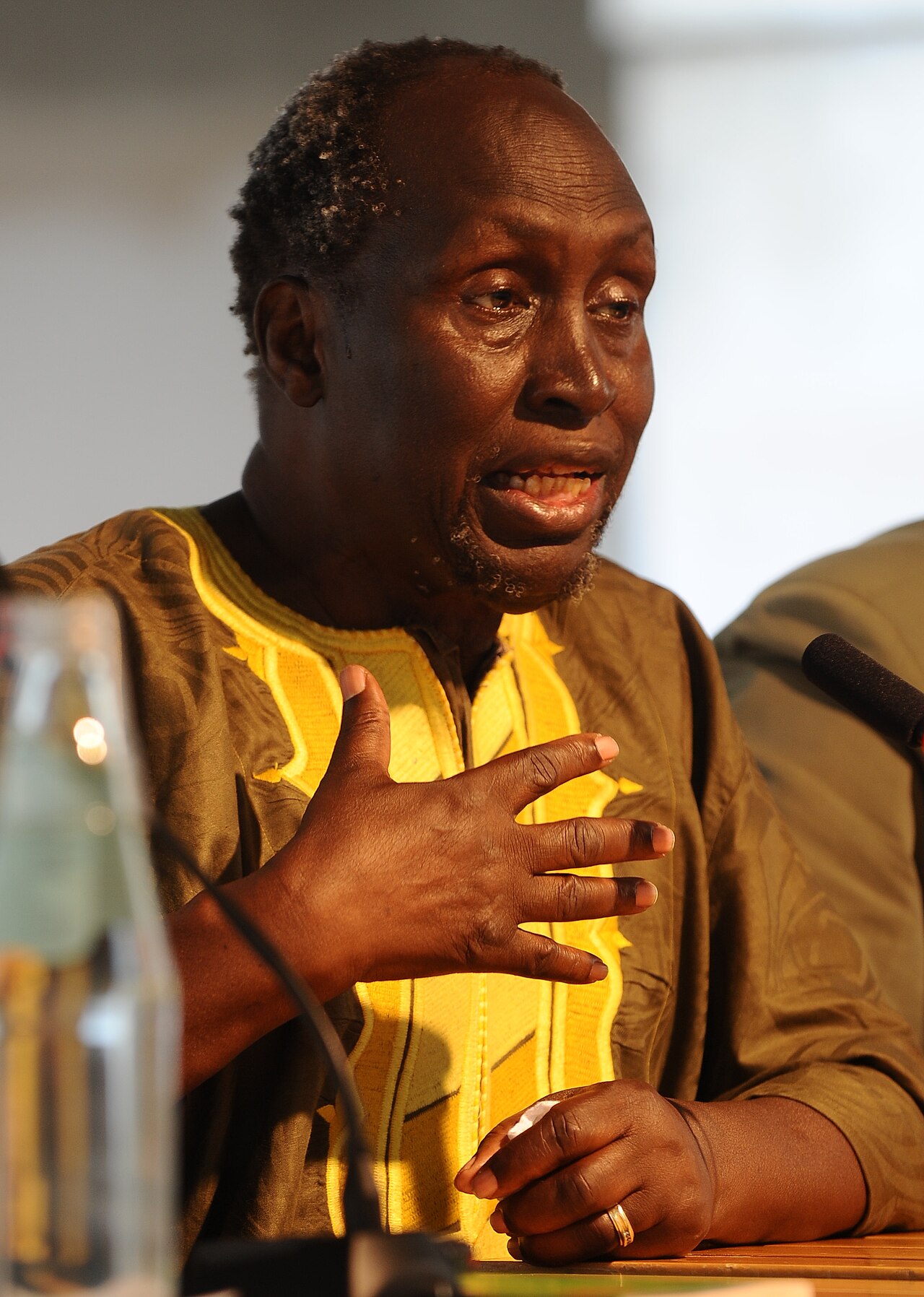
Niccolò Caranti · CC BY-SA 3.0
Ngũgĩ wa Thiong'o was a Kenyan author and academic, widely regarded as East Africa's leading novelist and a major figure in modern African literature. He initially wrote in English before switching to his native Gikuyu, becoming a strong advocate for literature in African languages.
- died
- 28 May 2025
- field
- Literature, academia
- nationality
- Kenyan
- known_for
- Novels such as The River Between, advocacy for African-language literature, and the play Ngaahika Ndeenda
Lore & Background
Ngũgĩ was born in Kamiriithu, near Limuru, Kenya Colony, of Kikuyu descent. His family's land was repossessed under the British Imperial Land Act of 1915, and during his childhood they were caught up in the Mau Mau Uprising; his half-brother was killed, another brother shot, and his mother tortured. He left for Alliance High School in 1955, returning to find his village razed by the British. He later studied at Makerere University College in Uganda, where he found his voice as a writer, and at the University of Leeds in England. His debut novel, Weep Not, Child (1964), was the first English novel published by an East African writer.
Reader's Guide
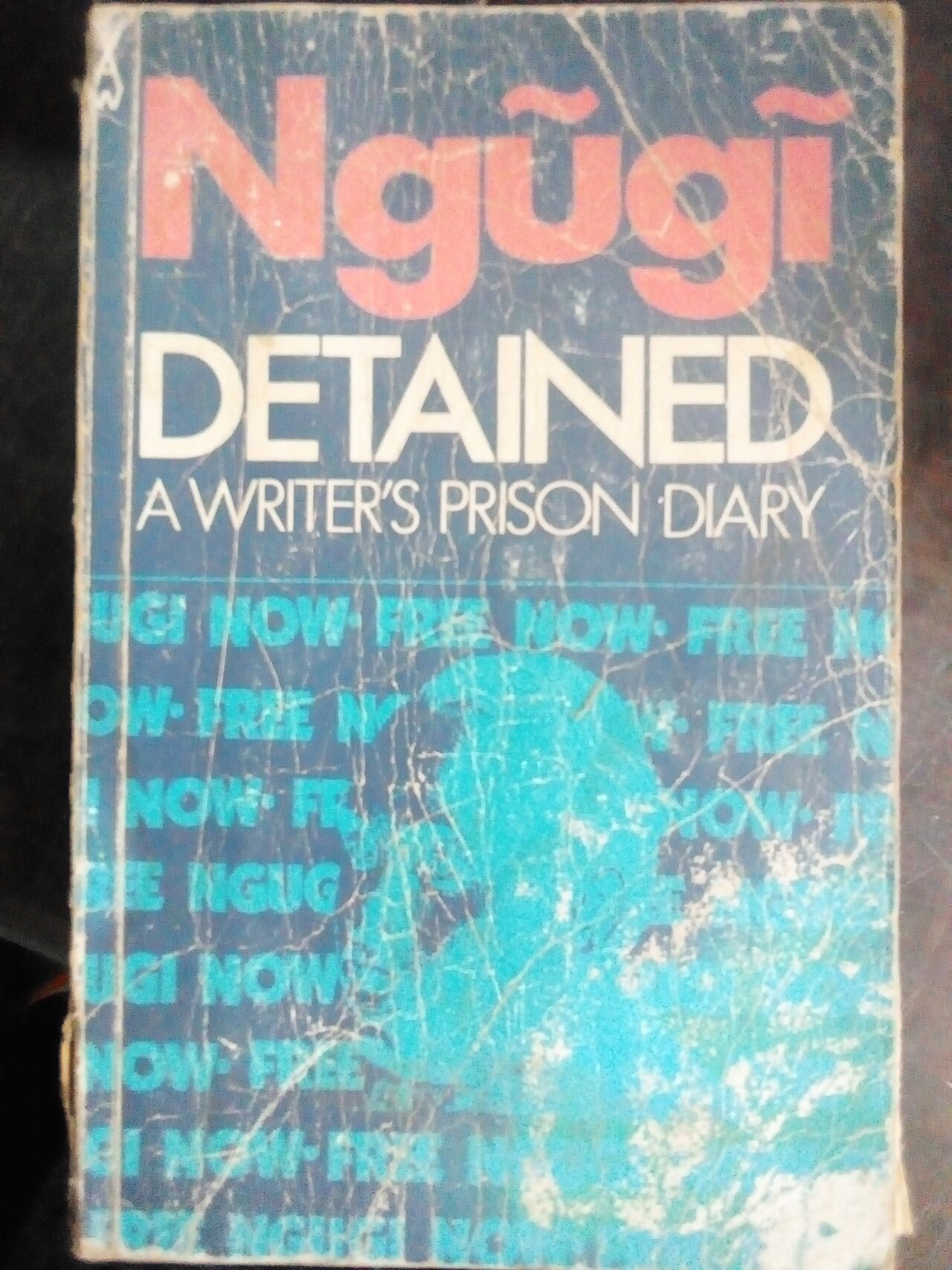
Ngũgĩ wa Thiong'o's significance lies in his transformation from a writer in English to a champion of Gikuyu-language literature, and his innovative, politically engaged theatre. His 1977 play Ngaahika Ndeenda, co-written with Ngũgĩ wa Mirii, sought to liberate theatre from bourgeois education by encouraging audience participation, but was shut down by the Kenyan regime, leading to his imprisonment for over a year. While in prison, he wrote the first modern Gikuyu novel, Devil on the Cross, on toilet paper. After his release, he lived in exile, later becoming Distinguished Professor at the University of California, Irvine. His work, including the widely translated short story 'The Upright Revolution,' and his founding of the journal Mũtĩiri, cemented his legacy as a key figure in postcolonial literature and language activism.
Did You Know?
- Ngũgĩ wrote the first modern novel in Gikuyu, Devil on the Cross, on prison-issued toilet paper while held at Kamiti Maximum Security Prison.
- He was adopted as an Amnesty International prisoner of conscience during his imprisonment.
- His children Mũkoma wa Ngũgĩ and Wanjikũ wa Ngũgĩ are also authors.
A Childhood Shaped by Loss
Ngũgĩ wa Thiong'o entered the world on 5 January 1938 in the small settlement of Kamiriithu, near Limuru in Kenya's Kiambu district. Born to a Kikuyu family and baptised under the colonial name James Ngugi, he was one of twenty-eight children fathered by Thiong'o wa Ndūcũ, with his mother Wanjiku wa Ngũgĩ being the third of four wives. The family subsisted as farmers on land the British had originally seized through the Imperial Land Act of 1915, and their rural existence was violently interrupted by the Mau Mau Uprising between 1952 and 1960. His half-brother Mwangi was killed while fighting with the Kenya Land and Freedom Army, another sibling was shot during the State of Emergency, and his mother endured torture at the local home guard post. In 1955, the teenage Ngũgĩ left for Alliance High School, roughly twenty kilometres away, only to return after his first term and discover that the British had razed his entire village to the ground. That experience of dispossession—losing the very soil of his birth—became, in his own later reflection, the lens through which he came to understand his home more deeply.
From English to Gikuyu: The Language Revolution
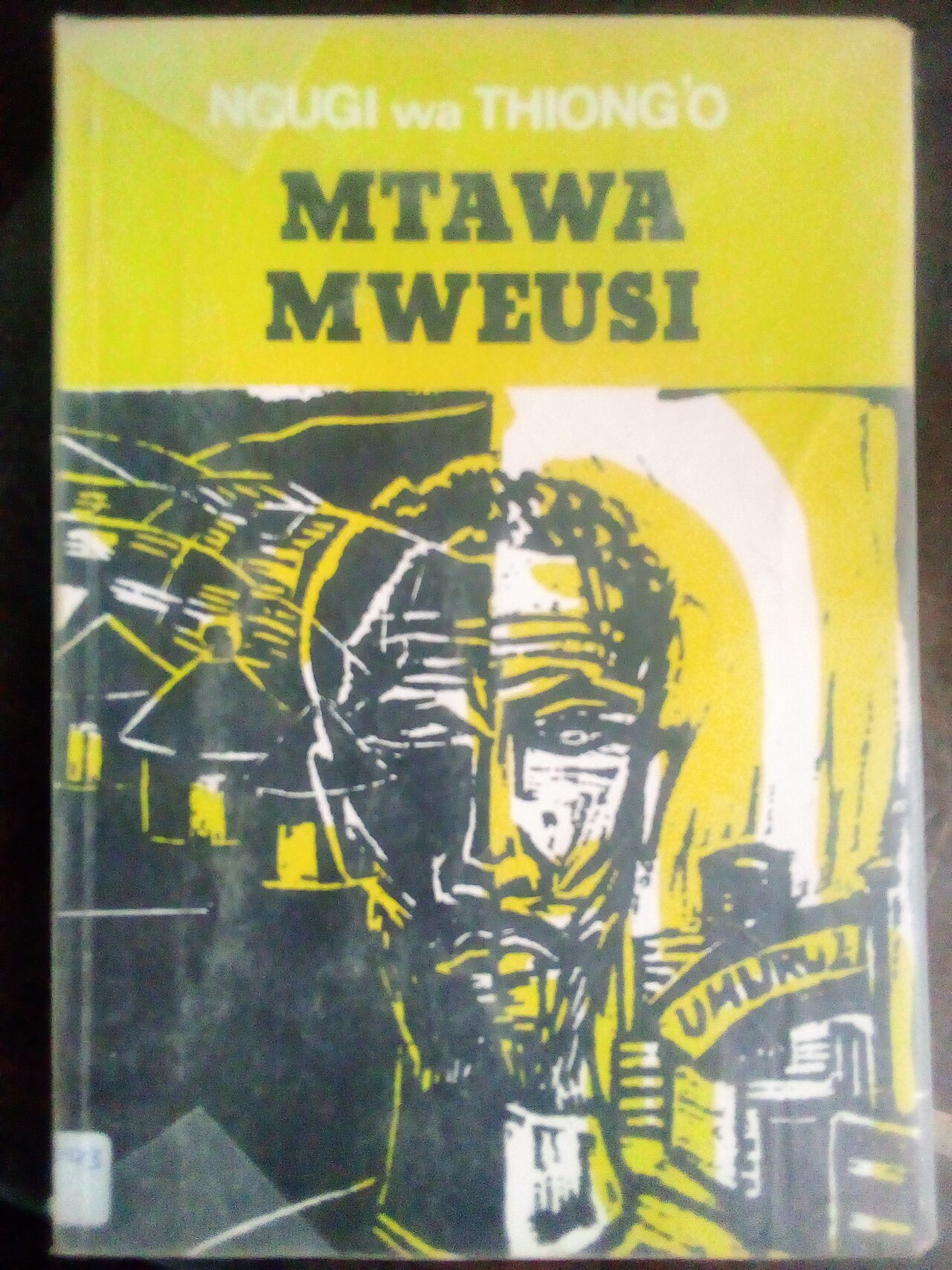
Ngũgĩ's literary output spans novels, plays, short stories, memoirs, children's books, and essays on literary and social criticism, earning him recognition as East Africa's preeminent novelist. His early career was conducted in English: Weep Not, Child (1964) became the first novel in that language published by an East African writer, and The River Between (1965), set against the Mau Mau struggle, depicted a fraught romance between Christian and non-Christian communities. By 1967, with A Grain of Wheat, he had embraced a Fanonist-Marxist political stance, and that same year he began teaching at the University of Nairobi. The ideological rupture deepened quickly. He came to regard both the English language and his baptismal name as instruments of colonialism, and by 1970 he had adopted the name Ngũgĩ wa Thiong'o and committed himself to writing in Gikuyu. He went on to found and edit the Gikuyu-language journal Mũtĩiri, becoming a vocal champion for the literary value of indigenous African languages. His 2016 short story, "The Upright Revolution: Or Why Humans Walk Upright," crossed into more than one hundred languages, testifying to the universal resonance of a writer who had rooted himself firmly in a single tongue.
Theatre as Resistance and the Price of Defiance
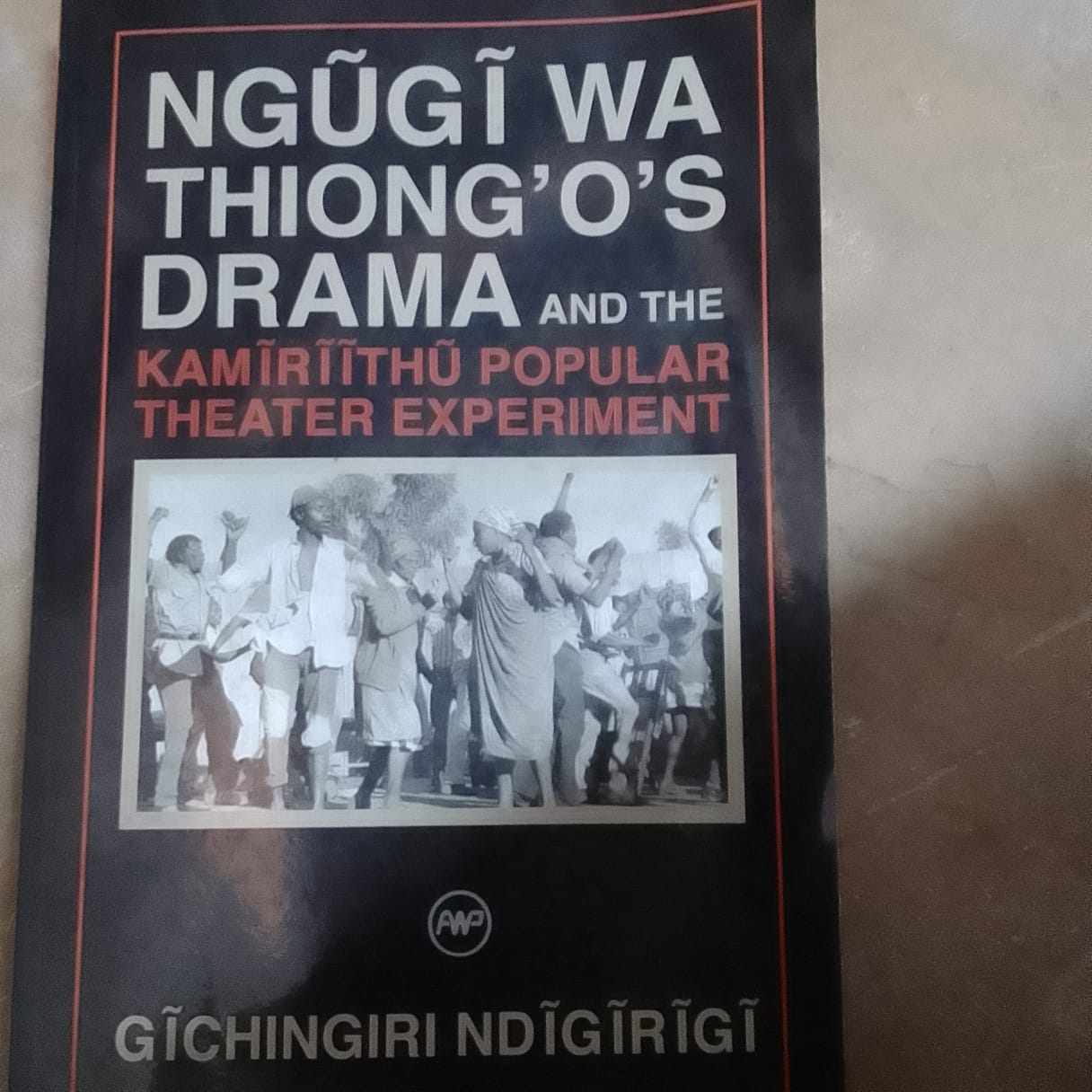
In 1977, Ngũgĩ launched an ambitious theatrical experiment in Kenya that aimed to strip performance free from what he considered the constraints of the bourgeois education system. His model privileged spontaneity and active audience participation, seeking to dismantle what he saw as a process of alienation that manufactured a small gallery of celebrated stars while reducing ordinary spectators to a passive, undifferentiated mass of admirers. The result was Ngaahika Ndeenda, a landmark play co-written with Ngũgĩ wa Mirii, which opened to commercial success. Yet the authoritarian Kenyan regime of the time could not tolerate such a challenge to cultural authority: the production was shut down just six weeks after its premiere. The consequences for Ngũgĩ were severe. He was arrested and held in prison for more than a year, during which Amnesty International designated him a prisoner of conscience. Upon his release, he fled Kenya entirely. He eventually settled in the United States, where he was appointed Distinguished Professor of Comparative Literature and English at the University of California, Irvine, a position that anchored the final decades of his academic life.
The Scholar, the Prizes, and the Family Legacy
Beyond his writing, Ngũgĩ built a distinguished academic career that carried him across continents. He taught at the University of Nairobi for a decade, guest-lectured at Northwestern University, and held positions at Yale and New York University before his long tenure at UC Irvine. At Nairobi, he was a driving force behind a debate to abolish the English department, arguing for the primacy of African languages in higher education. Throughout his career he was frequently cited as a likely candidate for the Nobel Prize in Literature, though the honour never materialised. He did receive the 2001 International Nonino Prize in Italy and the 2016 Park Kyong-ni Prize. His influence extended into the next generation: among his children are the authors Mũkoma wa Ngũgĩ and Wanjikũ wa Ngũgĩ, carrying forward a family tradition of literary production. Ngũgĩ wa Thiong'o passed away on 28 May 2025, leaving behind a body of work that reshaped the conversation about language, power, and storytelling in Africa and beyond.
Gallery
Frequently Asked Questions
Who is Ngũgĩ wa Thiong'o?
Ngũgĩ wa Thiong'o was a Kenyan novelist, playwright, and academic widely regarded as East Africa's foremost literary voice. He passed away on 28 May 2025, leaving a body of work that helped define modern African literature.
What are Ngũgĩ wa Thiong'o's most well-known works?
His best-known titles include the novel The River Between and the play Ngaahika Ndeenda. Both are routinely cited as foundational texts in postcolonial and African-language literature.
Why did Ngũgĩ wa Thiong'o switch from writing in English to Gikuyu?
After publishing early works in English, he deliberately turned to his mother tongue, Gikuyu, as a deliberate cultural and political choice. He argued that literature in African languages was essential for stories to genuinely reach and serve African readers.
What role did Ngũgĩ wa Thiong'o play in academia?
In addition to his fiction, he held university positions and used that platform to push for African languages in higher-education curricula. His advocacy shaped how literature is studied and taught across the continent.
Why is Ngũgĩ wa Thiong'o considered important to African and diaspora literature?
He proved that major novels could be crafted entirely in African languages, directly challenging the assumption that English was the only vehicle for serious world literature. His decades-long career inspired a generation of writers both on the continent and across the diaspora.
More in African And African Diaspora Writers 1-24
Spotted an error? Know more?
This is a living reference — every entry is fact-audited, and reader corrections feed straight into our audit queue. Suggest an edit · See this site's audit record