Maryse Condé
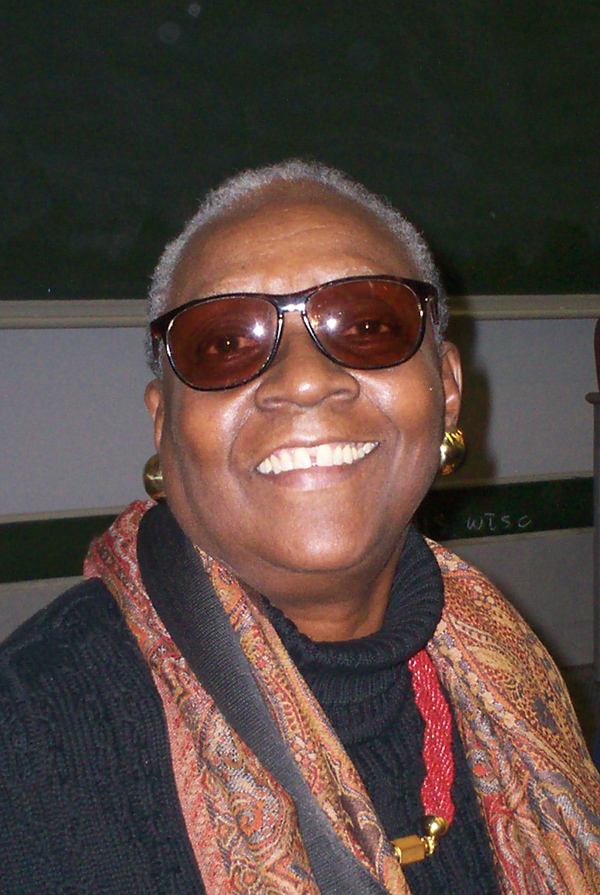
French novelist, critic, playwright, and academic from Guadeloupe.

via Wikipedia: Maryse Condé · see source
Maryse Condé was a French novelist, critic, and playwright from the French Overseas department and region of Guadeloupe. She was also an academic whose teaching career took her to West Africa, North America, the Caribbean, and Europe. Condé is best known for her novel *Ségou* (1984–1985), and her writings explore the African diaspora resulting from slavery and colonialism in the Caribbean. Her novels, written in French, have been translated into English, German, Dutch, Italian, Spanish, Portuguese, and Japanese. She won awards including the Grand Prix Littéraire de la Femme (1986), Prix de l'Académie française (1988), Prix Carbet de la Caraïbe (1997), and the New Academy Prize in Literature (2018). She was considered a strong contender for the Nobel Prize in Literature.
- born
- 11 February 1934, Pointe-à-Pitre, Guadeloupe
- died
- 2 April 2024, Apt, Vaucluse, France
- field
- Novelist, critic, playwright, academic
- nationality
- French (from Guadeloupe)
- known_for
- Novel Ségou (1984–1985)
Verified Timeline
Lore & Background
Condé was born in Pointe-à-Pitre, Guadeloupe, on 11 February 1934, the youngest of eight children. Her parents were among the first black instructors in Guadeloupe; her mother, Jeanne Quidal, directed her own school for girls, and her father, Auguste Boucolon, founded the small bank 'La Caisse Coopérative des prêts', later renamed 'La Banque Antillaise.' Condé began writing before age 12, composing a one-act, one-person play as a gift for her mother's birthday. After high school, she attended Lycée Fénelon from 1953 to 1955, being expelled after two years. She furthered her studies at the Université de Paris III (Sorbonne Nouvelle) in Paris, where she and other West Indians established the Luis-Carlos Prestes club. In 1958, she attended a rehearsal of *Les Nègres/The Blacks* by Jean Genet, where she met Guinean actor Mamadou Condé; they married in August 1958 and had three children before separating in 1969. Condé already had one child from Haitian journalist Jean Dominique. She taught in the Ivory Coast, Guinea, Ghana, and Senegal between 1960 and 1972. While in Ghana, she edited *Anthologie de la littérature africaine d'expression française* (Ghana Institute of Languages, 1966). Accusations of suspected subversive activity resulted in her deportation from Ghana. After working as a BBC producer in London for two years, she returned to Paris in 1973 and taught Francophone literature at Paris VII (Jussieu), X (Nanterre), and III (Sorbonne Nouvelle). In 1975, she completed her M.A. and Ph.D. at the Sorbonne Nouvelle in comparative literature, examining black stereotypes in Caribbean literature.
Reader's Guide
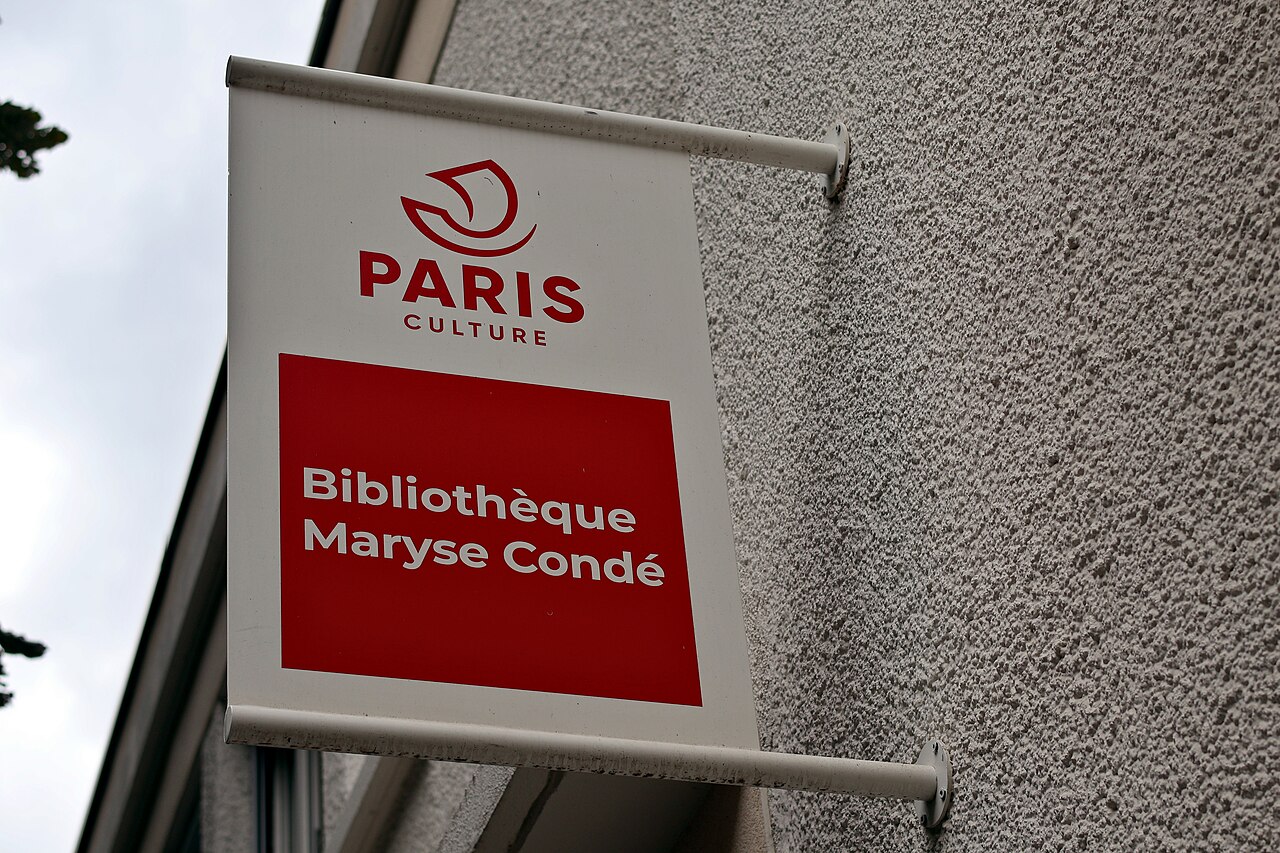
Condé's literary significance lies in her novels that explore racial, gender, and cultural issues across historical eras and locales, including the Salem witch trials in *I, Tituba: Black Witch of Salem* (1986); the 19th-century Bambara Empire of Mali in *Ségou* (1984–1985); and the 20th-century building of the Panama Canal in *Tree of Life* (1987). Her works trace relationships between African peoples and the diaspora, especially the Caribbean. She kept distance from movements such as Négritude and Creolité, and focused on topics with strong feminist and political concerns. Her first novel, *Hérémakhonon* (1976), was controversial and pulled from shelves after six months because of its criticism over the success of African socialism. She reached prominence with *Ségou* (1984). Following its success, in 1985 she was awarded a Fulbright scholarship to the United States to teach at Occidental College, Los Angeles (September 1985–May 1986). In 1987, she was a Rockefeller Foundation Bellagio writer-in-residence and received a Guggenheim Foundation Fellowship. In 1995, Condé became a professor of French and Francophone literature at Columbia University, where she was subsequently professor emerita. She retired from teaching in 2005. A college on La Désirade, Collège Maryse-Condé, was inaugurated in her honor in 2011. Condé died in Apt, Vaucluse, southeastern France, on 2 April 2024, at the age of 90.
Did You Know?
- Condé was born 11 years after her youngest sibling, when her mother was 43 and her father 63; she described herself as 'the spoiled child.'
- Before age 12, she wrote a one-act, one-person play as a birthday gift for her mother.
- She was deported from Ghana amid accusations of suspected subversive activity.
- Her novel *Hérémakhonon* was pulled from shelves after six months for criticizing African socialism.
- In 2018, she was awarded the New Academy Prize in Literature, established as a one-off alternative to the Nobel Prize.
Roots in Guadeloupe and a Family of Educators
Born in Pointe-à-Pitre, Guadeloupe, on 11 February 1934, Maryse Condé entered the world as the youngest of eight children, arriving eleven years after her oldest sibling Guy and when her mother was forty-three and her father sixty-three. Her parents occupied pioneering positions in the island's educational landscape: her mother, Jeanne Quidal, a native of Marie-Galante, directed a school for girls, while her father, Auguste Boucolon, had previously worked as a teacher before founding a small cooperative lending institution that would later be renamed La Banque Antillaise. Condé recalled being "the spoiled child," a label she attributed to the wide age gap separating her from her seven older brothers and sisters. Her creative impulses emerged remarkably early; before her twelfth birthday she had composed a one-act, one-person play as a birthday present for her mother. After graduating from high school she enrolled at Lycée Fénelon in 1953 but was expelled after two years. She then continued her studies at the Sorbonne Nouvelle in Paris, where she and other West Indian students co-founded the Luis-Carlos Prestes club.
West Africa and Political Awakening
In 1958, Condé attended a Paris rehearsal of Jean Genet's Les Nègres, where she met the Guinean actor Mamadou Condé; the two married that August. By November 1959, strain had already entered the relationship, and she traveled alone to the Ivory Coast, teaching in Bingerville for a year. Her holiday returns to Guinea brought her into the orbit of a circle of Marxist friends whose ideas sharpened her political awareness and encouraged her to relocate to Ghana. Between 1960 and 1972 she taught across Guinea, Ghana, and Senegal. While in Ghana she edited a collection of francophone African literature published by the Ghana Institute of Languages in 1966. She later described this period as turbulent yet deeply formative, recalling how, in the recently independent West African nations, she moved in the same circles as Malcolm X, Che Guevara, Julius Nyerere, and Maya Angelou. Yet accusations of suspected subversive activity ultimately led to her deportation from Ghana, an ordeal she would revisit in her 2012 memoir La Vie sans fards.
Literary Breakthrough and Academic Life
Condé did not publish her first novel, Hérémakhonon, until she was nearly forty, confessing that she lacked self-confidence and dared not present her writing to the outside world. Her second novel, Une saison à Rihata, appeared in 1981, but genuine prominence arrived with Ségou (1984–1985), set in the nineteenth-century Bambara Empire of Mali. That success launched a remarkable sequence of honors: a Fulbright scholarship to teach Caribbean literature at Occidental College in Los Angeles in 1985, a Guggenheim Fellowship, and a Rockefeller Foundation Bellagio residency in 1987. She went on to hold positions at Columbia University, where she became professor emerita, as well as at UC Berkeley, UCLA, the Sorbonne, and the University of Virginia, retiring from teaching in 2005. Her critical writings include Le profil d'une oeuvre, La Civilisation du Bossale, and La Parole des femmes. She completed both her M.A. and Ph.D. at the Sorbonne Nouvelle in 1975, examining black stereotypes in Caribbean literature.
Recognition, Legacy, and Final Years
Condé's novels, composed in French, have been rendered into English, German, Dutch, Italian, Spanish, Portuguese, and Japanese, carrying her vision of the African diaspora far beyond the Francophone world. Her honors include the Grand Prix Littéraire de la Femme (1986), the Prix de l'Académie française (1988), the Prix Carbet de la Caraïbe (1997), and the New Academy Prize in Literature (2018). She was widely regarded as a strong contender for the Nobel Prize in Literature. Her imaginative range spanned the Salem witch trials in I, Tituba: Black Witch of Salem (1986) and the Panama Canal's impact on the West Indian middle class in Tree of Life (1987). In 2011 the documentary Maryse Condé, une voix singulière, directed by Jérôme Sesquin, traced her life, and a college on the island of La Désirade was inaugurated in her honor. She died on 2 April 2024 in Apt, Vaucluse, in southeastern France, at the age of ninety.
Gallery
Frequently Asked Questions
Who is Maryse Condé?
Maryse Condé (1934–2024) was a French novelist, critic, playwright, and academic born in Pointe-à-Pitre, Guadeloupe. She is widely regarded as one of the most important voices in Caribbean and African diaspora literature.
What is Maryse Condé's most famous novel?
Her signature work is *Ségou* (1984–1985), a novel set in the ancient Malian kingdom of the same name. The book traces the rise and eventual collapse of that West African civilization and remains her most celebrated literary achievement.
What themes does Maryse Condé explore in her writing?
Her novels, written in French, center on the African diaspora shaped by the transatlantic slave trade and European colonialism, especially as it affected Caribbean communities. She also examined questions of identity, gender, and the lasting legacies of empire throughout her career.
Where did Maryse Condé live and teach during her career?
Her academic appointments took her across West Africa, North America, the Caribbean, and Europe, giving her a genuinely transcontinental vantage point. She was born in Guadeloupe and died in Apt, Vaucluse, France, on 2 April 2024.
What major literary awards did Maryse Condé receive?
She was honored with the Grand Prix Littéraire de la Femme in 1986 as well as the Prix de l'Afrique Noire, among other distinctions. Her novels have since been translated into English, German, Dutch, Italian, Spanish, Portuguese, and Japanese, underscoring her broad international readership.
More in African And African Diaspora Writers 1-24
Spotted an error? Know more?
This is a living reference — every entry is fact-audited, and reader corrections feed straight into our audit queue. Suggest an edit · See this site's audit record