Ralph Ellison
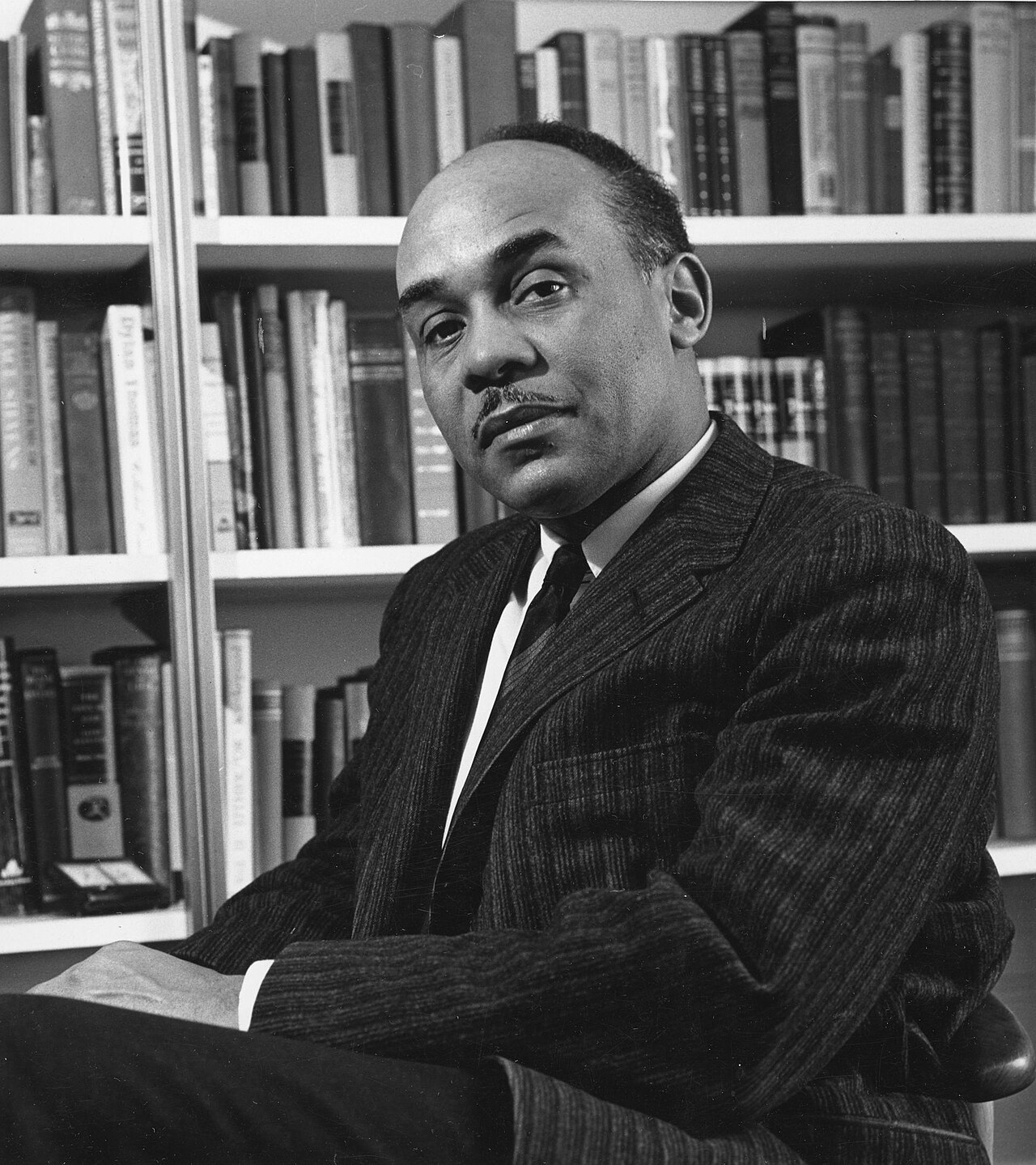
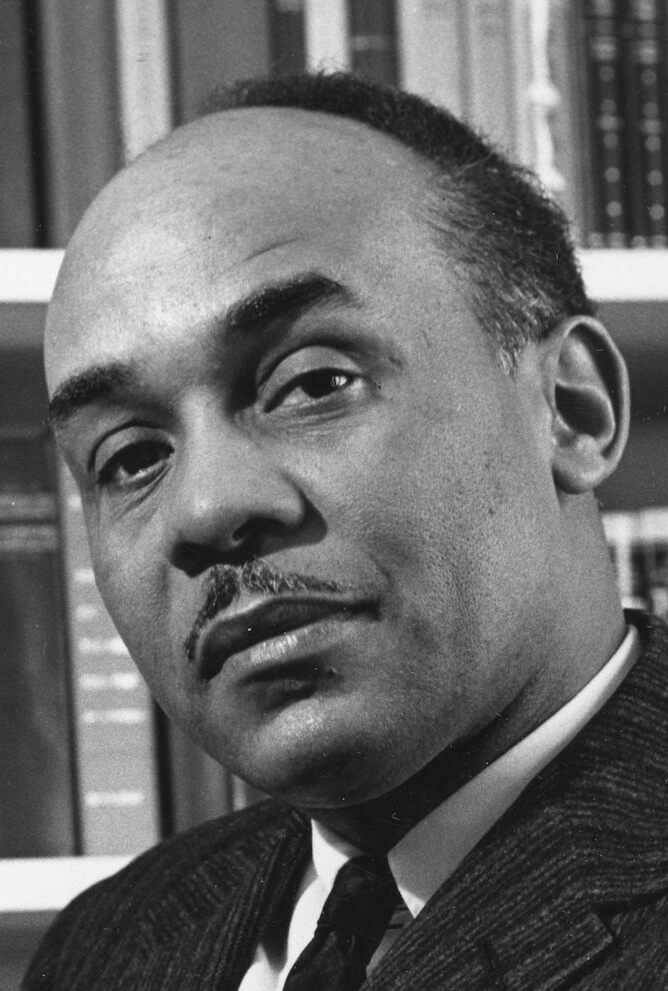
American writer, author of the 1967 short story 'Flying Home'.

via Wikipedia: Flying Africans · see source
Ralph Ellison's short story "Flying Home" was written in 1967. The story references the Flying Africans legend, which appears in African diaspora folklore as figures who escape enslavement by a magical passage back over the ocean. Ellison's work is part of a broader literary tradition that includes Ishmael Reed's 1976 *Flight to Canada*, Toni Morrison's 1977 *Song of Solomon*, Octavia Butler's 1980 *Wild Seed*, Paule Marshall's 1983 *Praisesong for the Widow*, and Charles R. Johnson's 1990 *Middle Passage*. The legend itself is included as the title story of Virginia Hamilton's 1986 collection *The People Could Fly: American Black Folktales*.
- born
- March 1, 1913, Oklahoma City, Oklahoma
- died
- April 16, 1994
- field
- Writer, literary critic, scholar
- nationality
- American
- known_for
- Novel Invisible Man (1952), winner of the National Book Award
Verified Timeline
Lore & Background
Ralph Ellison's 1967 short story "Flying Home" engages with the Flying Africans legend, a figure of African diaspora legend who escape enslavement by a magical passage back over the ocean. The legend is most noted in Gullah culture but also occurs in wider African-American folklore and that of some Afro-Caribbean peoples. Scholars differ on whether the legend should be seen as supernatural belief or as allegory of freedom, death, the afterlife, and even metamorphosis or reincarnation. A common Gullah etiology given for this belief is the 1803 mass suicide at Igbo Landing as a form of resistance among newly enslaved people, although versions of the legend also occur across the African diaspora. In a Gullah context, the flying Africans are associated with Hoodoo spirituality, and sometimes perform their ascension through a ritual like a ring shout. Gullah lore also associates flying Africans with a magical iron hoe that works by itself, and a never-empty pot that they leave behind, perhaps relating to the influence of the Yoruba deity Ogun on Hoodoo. Another figure described in Gullah lore as flying on occasion and eventually returning to Africa is the folk hero John the Conqueror. Sometimes flight is mentioned as a general ability of select ancestors, outside of the specific context of an African return. Flight could be by an individual, by a married couple (who might have to leave behind their children if not African-born), or as a collective act. In some Caribbean versions, salt prevents people from flying, perhaps linked to the soucouyant tradition. The means of flight varied, from levitation, to growing wings, to turning into birds (sometimes buzzards), or in the case of the Igbo Landing drownings, they were allegorized as walking on water to Africa. The legend has been compared to the flying imagery found in a number of spirituals, and also to the metaphor of a "caged bird". Spirituals in this vein include "Swing Low, Sweet Chariot", "Now Let Me Fly" and "All God's Chillun Got Wings". Harriet Tubman experienced dreams of flying "like a bird" in her youth.
Reader's Guide
Ellison's "Flying Home" is part of a legacy of works referencing the Flying Africans legend. The legend appears a number of times in interviews for the Federal Writers' Project Slave Narrative Collection of the 1930s, though given the circumstances these are difficult to interpret; it appears in somewhat greater cultural detail in the slightly later *Drums and Shadows*. Zora Neale Hurston includes a Jamaican version in her 1938 *Tell My Horse*, where those who have consumed salt are unable to fly away. John Bennett in 1946 published a story under the title of the spiritual "All God's Chillun Got Wings" as told to him by Caesar Grant. It appears in *The Book of Negro Folklore* of 1958, edited by Langston Hughes and Arna Bontemps. Ellison's story is mentioned alongside Ishmael Reed's 1976 *Flight to Canada* and Toni Morrison's 1977 *Song of Solomon*, which references the legend directly. In interviews, Morrison emphasized the flying Africans as a real folk belief, not a mere metaphor. Julie Dash's 1991 film *Daughters of the Dust* quotes from Paule Marshall's *Praisesong for the Widow* at Igbo Landing. Faith Ringgold utilized elements of the legend in her 1991 illustrated children's book *Tar Beach*, and in subsequent artworks including the 1996 subway mosaic *Flying Home: Harlem Heroes and Heroines* at 125th Street station, also inspired by the Lionel Hampton composition "Flying Home". The legend is the basis for the song "We Could Fly" on Rhiannon Giddens's 2017 album *Freedom Highway*. Sophia Nahli Allison began her *Dreaming Gave Us Wings* self portrait series in 2017, including an experimental documentary in *The New Yorker*. Hamilton's collection also inspired the naming of the 2021 Metropolitan Museum of Art exhibition *Before Yesterday We Could Fly*.
Did You Know?
- Ralph Ellison's short story "Flying Home" was written in 1967.
- The Flying Africans legend is most noted in Gullah culture but also occurs in wider African-American folklore and that of some Afro-Caribbean peoples.
- A common Gullah etiology given for the Flying Africans belief is the 1803 mass suicide at Igbo Landing.
- In some Caribbean versions of the legend, salt prevents people from flying, perhaps linked to the soucouyant tradition.
- Harriet Tubman experienced dreams of flying 'like a bird' in her youth.
Origins and Gullah Roots
The Flying Africans legend is most deeply rooted in Gullah culture, where it intertwines with Hoodoo spirituality. In this tradition, the ascension of enslaved people back across the Atlantic is sometimes enacted through a ring shout ritual, suggesting the legend was not merely told but performed. Gullah lore also attaches material symbols to the flying Africans: a self-working iron hoe and a pot that never empties, both left behind after the flight. These objects may reflect the influence of the Yoruba deity Ogun on Hoodoo practice. A parallel figure in Gullah tradition is John the Conqueror, a folk hero who also flies and eventually returns to Africa. Scholars generally agree the legend expresses a desire to reverse the Atlantic slave trade, though they debate whether it should be read as genuine supernatural belief or as allegory for freedom, death, the afterlife, or even reincarnation. A frequently cited origin story in Gullah communities is the 1803 mass suicide at Igbo Landing, where newly enslaved people resisted by walking into the water rather than being carried back to the mainland.
The Mechanics of Flight and Regional Variations
The legend offers a remarkable variety of flight mechanisms. In some tellings, individuals simply levitate; in others, they sprout wings or transform into birds, sometimes specifically buzzards. The Igbo Landing drownings were later allegorized as the enslaved walking on water to reach Africa. Flight could be solitary, a married couple's act (with the painful caveat that non-African-born children might be left behind), or a collective departure. In Caribbean versions, salt serves as a barrier to flight, a detail scholars link to the soucouyant tradition. The legend also extends beyond the specific African-return narrative: in some accounts, select ancestors possess a general ability to fly, unconnected to any geographic destination. This flexibility allowed the imagery to migrate across the diaspora, appearing in Gullah, Afro-Caribbean, and broader African-American folklore, each community adapting the core motif of magical escape to its own spiritual and historical context.
Literary Engagements Across the Twentieth Century
The Flying Africans legend has been a persistent thread in African-American and Caribbean literature. Early documentation appears in the Federal Writers' Project Slave Narrative Collection of the 1930s, though the circumstances of those interviews make interpretation difficult. Zora Neale Hurston recorded a Jamaican version in her 1938 work Tell My Horse, where salt consumption prevents flight. John Bennett published a story titled "All God's Chillun Got Wings" in 1946, based on a telling by Caesar Grant. The legend was included in The Book of Negro Folklore, edited by Langston Hughes and Arna Bontemps in 1958. Ralph Ellison's 1967 short story Flying Home engages with the motif, as does Ishmael Reed's 1976 Flight to Canada. Toni Morrison's 1977 novel Song of Solomon references the legend directly, and Morrison stressed in interviews that she regarded the flying Africans as a genuine folk belief rather than a mere metaphor. The legend also surfaces in Octavia Butler's 1980 Wild Seed, Paule Marshall's 1983 Praisesong for the Widow, and Charles R. Johnson's 1990 Middle Passage.
From Spirituals to the Met Museum
The flying imagery of the legend echoes through African-American spirituals such as "Swing Low, Sweet Chariot," "Now Let Me Fly," and "All God's Chillun Got Wings," and even in the broader "caged bird" metaphor. Harriet Tubman reportedly dreamed of flying like a bird in her youth. In the late twentieth and early twenty-first centuries, the legend inspired a remarkable range of artistic work. Julie Dash's 1991 film Daughters of the Dust quotes Praisesong for the Widow at Igbo Landing, a site Dash found was identified by tradition across many Gullah communities. Faith Ringgold drew on the legend in her 1991 children's book Tar Beach and her 1996 subway mosaic Flying Home at Harlem's 125th Street station. Virginia Hamilton's 1986 collection The People Could Fly: American Black Folktales, later reissued as a picture book with illustrations by Leo and Diane Dillon in 2004, made the legend accessible to new generations. Rhiannon Giddens's 2017 song "We Could Fly" and the 2021 Metropolitan Museum of Art exhibition Before Yesterday We Could Fly, named after Hamilton's collection, carry the legend into contemporary cultural life.
Gallery


Frequently Asked Questions
Who is Ralph Ellison?
Ralph Ellison (March 1, 1913 – April 16, 1994) was an American writer, literary critic, and scholar born in Oklahoma City, Oklahoma. He is best known for his 1952 novel Invisible Man, which won the National Book Award.
What is the short story 'Flying Home' about?
'Flying Home' is a 1967 short story by Ellison that draws on the Flying Africans legend from African diaspora folklore. In that legend, enslaved people are freed by a supernatural force that opens a magical passage carrying them back across the ocean to Africa.
How does Ellison's work fit into the broader African diaspora literary tradition?
Ellison's engagement with the Flying Africans myth places him alongside writers such as Toni Morrison, Octavia Butler, and Charles R. Johnson, all of whom have explored similar themes of escape and return. His story sits within a lineage that stretches from Ishmael Reed's Flight to Canada (1976) through Paule Marshall's Praisesong for the Widow (1983).
What is the Flying Africans legend?
It is a piece of African diaspora folklore in which enslaved people are freed by a supernatural force that opens a magical passage over the sea, carrying them back to Africa. The legend appears as the title story in Virginia Hamilton's 1986 collection and has inspired numerous works of fiction.
Why is Ralph Ellison important to African and African diaspora literature?
Ellison brought the rich oral traditions of the African diaspora, including the Flying Africans myth, into mainstream American literary fiction. His 1952 novel Invisible Man earned the National Book Award and cemented his place as a central voice in twentieth-century American letters.
More in African And African Diaspora Writers 1-24
Spotted an error? Know more?
This is a living reference — every entry is fact-audited, and reader corrections feed straight into our audit queue. Suggest an edit · See this site's audit record