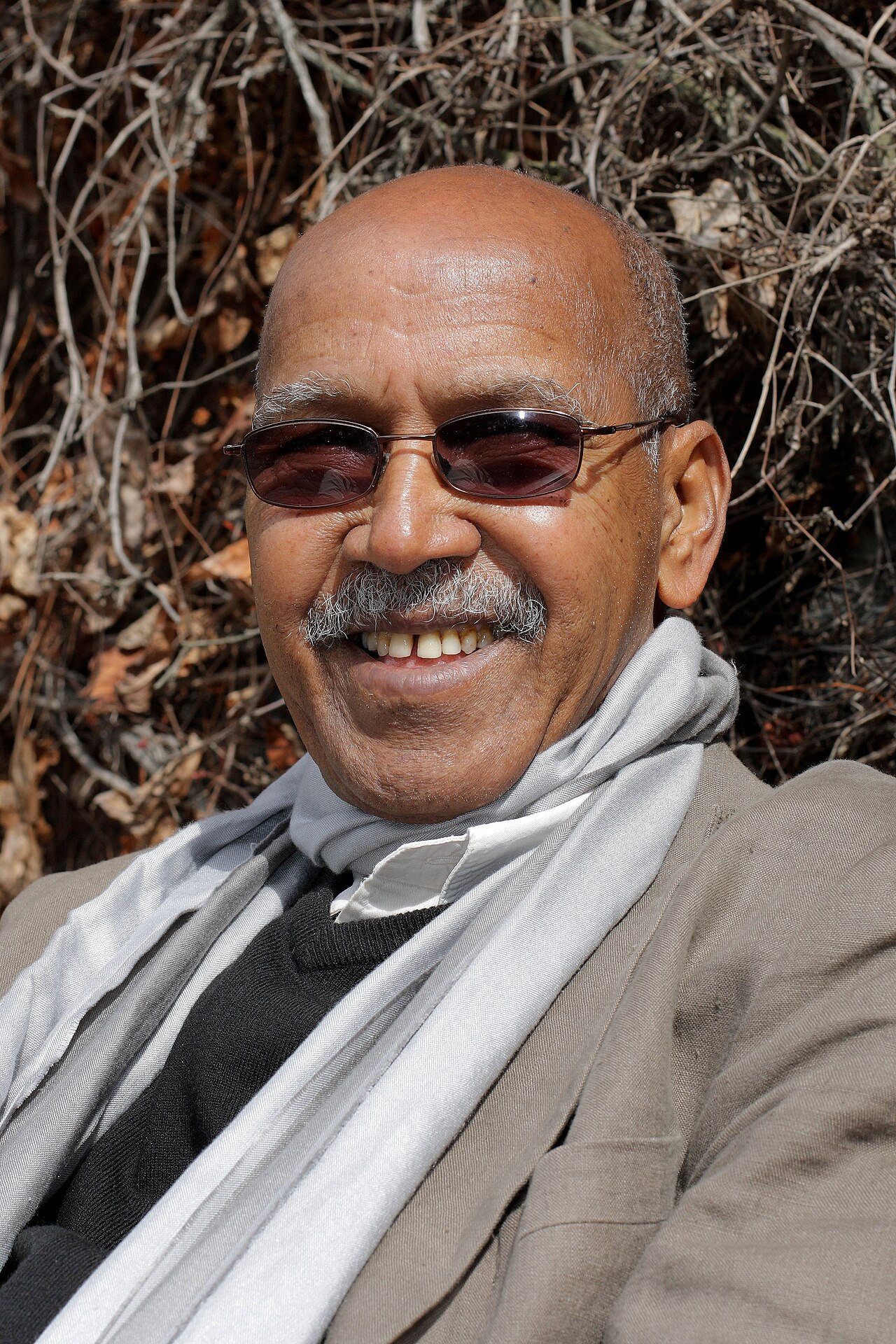
Nuruddin Farah
Somali novelist and perennial nominee for the Nobel Prize in Literature.

via Wikipedia: Nuruddin Farah · see source
Nuruddin Farah (born 24 November 1945) is a Somali novelist, playwright, and essayist. His first novel, *From a Crooked Rib* (1970), has been described as "one of the cornerstones of modern East African literature today." Farah has also written plays for stage and radio, as well as short stories and essays. Since leaving Somalia in the 1970s, he has lived and taught in numerous countries, including the United States, Britain, Germany, Italy, Sweden, Sudan, India, Uganda, Nigeria, and South Africa.
- born
- 24 November 1945, Baidoa, Italian Somaliland
- field
- Novelist, playwright, essayist
- nationality
- Somali
- known_for
- Trilogies 'Variations on the Theme of an African Dictatorship' and 'Blood in the
Verified Timeline
Lore & Background
Nuruddin Farah was born in 1945 in Baidoa, in Italian Somaliland. His father Hassan Farah was a merchant and interpreter, and his mother Aleeli (née Faduma) was an oral poet. Farah was the fourth eldest boy in a large family. As a child, he frequented schools in Somalia and adjacent Ethiopia, attending classes in Kallafo in Ogaden (now the Somali Region). He studied English, Arabic, and Amharic. In 1963, he was forced to flee the region following the Ogaden Rebellion and subsequent border conflicts between Somalia and Ethiopia. He settled in independent Somalia, where he found work as a typist in the Ministry of Education. From 1966 to 1970, he pursued a degree in philosophy, literature, and sociology at Panjab University in Chandigarh, India, where he met his first wife, Chitra Muliyil Farah, with whom he had a son (the marriage later ended in divorce). Farah subsequently went to England, attending London University (1974–75) and studying for a master's degree in theatre at Essex University (1975–76). His mother died in 1990, and in 1992 he married British-Nigerian academic Amina Mama and they have a son and a daughter. His sister Basra Farah Hassan, a diplomat, was killed in a bombing in January 2014 while working with the United Nations in Kabul, Afghanistan. Farah currently resides in Minneapolis, Minnesota, and Cape Town, South Africa.
Reader's Guide
Nuruddin Farah's significance lies in his sustained literary output that has kept Somalia alive in the global imagination. His debut novel, *From a Crooked Rib* (1970), published by Heinemann Educational Books in their African Writers Series, earned him mild but international acclaim. After the publication of *A Naked Needle* (1976), Farah was warned that the Somali government planned to arrest him over its contents, prompting a 22-year self-imposed exile. His core work consists of two trilogies: 'Variations on the Theme of an African Dictatorship' (1979–1983) and 'Blood in the Sun' (1986–1999). The latter includes his most famous novel, *Maps* (1986), which employs the innovative technique of second-person narration for exploring questions of cultural identity during the Ogaden conflict of 1977. Farah has received numerous awards, including the Neustadt International Prize for Literature (1998), the Premio Cavour in Italy, the Kurt Tucholsky Prize in Germany, and the Lettre Ulysses Award in Berlin. In the same year, the French edition of his 1993 novel *Gifts* won the St Malo Literature Festival's prize. He is a perennial nominee for the Nobel Prize in Literature. His later trilogies include 'Past Imperfect' (2004–2011) and novels such as *Hiding in Plain Sight* (2014) and *North of Dawn* (2018). Farah also writes plays for stage and radio, and is an important scholar within Somali Studies, serving on the International Advisory Board of *Bildhaan: An International Journal of Somali Studies*.
Did You Know?
- Farah's father Hassan Farah was a merchant and interpreter, and his mother Aleeli (née Faduma) was an oral poet.
- In 1963, Farah was forced to flee the Ogaden region following the Ogaden Rebellion and subsequent border conflicts between Somalia and Ethiopia.
- Farah studied English, Arabic, and Amharic as a child.
- His sister Basra Farah Hassan, a diplomat, was killed in a bombing in January 2014 while working with the United Nations in Kabul, Afghanistan.
- Farah currently resides in Minneapolis, Minnesota, and Cape Town, South Africa.
The Architecture of a Literary Body of Work
Farah's literary output spans more than five decades and encompasses novels, stage and radio plays, short stories, and essays, with his books rendered into seventeen languages. He began by publishing a short story in Somali before switching to English during his university years in India. His 1970 debut, From a Crooked Rib, followed a nomad girl escaping an arranged marriage to an older man and was released through Heinemann's African Writers Series. After A Naked Needle in 1976, he turned to ambitious multi-volume projects. The Variations on the Theme of an African Dictatorship trilogy (Sweet and Sour Milk, Sardines, Close Sesame, 1979–83) examined authoritarian rule, while the Blood in the Sun trilogy—Maps (1986), Gifts (1993), Secrets (1998)—explored identity against the backdrop of the 1977 Ogaden war, with Maps notably employing second-person narration. His Past Imperfect trilogy (Links, Knots, Crossbones, 2004–2011) and later novels Hiding in Plain Sight (2014) and North of Dawn (2018) extended his reach into the migrant experience. Beyond prose, he wrote stage plays produced in Mogadishu, Colchester, and Jos, as well as radio dramas in Germany, and he contributes to Somali Studies scholarship through the advisory board of the Bildhaan journal.
Exile as a Way of Life
Born in Baidoa in 1945, Farah's early life was already shaped by displacement. As a child he attended schools in both Somalia and neighboring Ethiopia, studying English, Arabic, and Amharic in Kallafo, Ogaden, before the 1963 Ogaden Rebellion and border conflicts forced him to flee to independent Somalia, where he took a job as a typist at the Ministry of Education. He then traveled to India, spending four years at Panjab University in Chandigarh studying philosophy, literature, and sociology. After brief stints at London University and Essex University in the mid-1970s, a European tour following the publication of A Naked Needle in 1976 brought a chilling warning: the Somali government intended to arrest him over the novel's contents. Rather than return, Farah entered a twenty-two-year self-imposed exile. During that stretch he taught in the United States, Germany, Italy, Sweden, Sudan, India, and Nigeria. A German Academic Exchange Service grant brought him to Berlin in 1990, and he did not set foot in Somalia again until 1996. Today he splits his time between Minneapolis, Minnesota, and Cape Town, South Africa.
A Constellation of International Honors
Farah's standing in world literature is underscored by a remarkable collection of prizes spanning multiple continents. In Italy he received the Premio Cavour for the Italian translation of Close Sesame; in Germany, the Kurt Tucholsky Prize; and in Berlin, the Lettre Ulysses Award. His 1998 Neustadt International Prize for Literature represented a major global recognition, and that same year the French edition of his 1993 novel Gifts took the St Malo Literary Festival award. Earlier honors include a UNESCO fellowship (1974–76), the English-Speaking Union Literary Award for Sweet and Sour Milk (1980), a Corman Artists fellowship (1990), and Zimbabwe's Best Novel Award for Gifts (1993). In 2024 he was named an International Writer by the Royal Society of Literature. Beyond formal prizes, Farah has been a perennial candidate for the Nobel Prize in Literature. Nadine Gordimer identified him among Africa's true interpreters, and the critic Bhakti Shringarpure called him the most prolific writer Somalia has ever produced, crediting his four-decade body of work with keeping his homeland alive in the collective imagination of readers worldwide.
Roots, Family, and Loss
Farah's personal story is inseparable from the political upheavals of the Horn of Africa. He was born on 24 November 1945 in Baidoa, then part of Italian Somaliland, the fourth-oldest son in a large family. His father, Hassan Farah, worked as a merchant and interpreter; his mother, Aleeli (née Faduma), was an oral poet whose tradition of spoken verse likely shaped his own literary sensibility. During his years in India he met his first wife, Chitra Muliyil Farah, with whom he had a son before their marriage ended in divorce. His mother passed away in 1990. In 1992 he married Amina Mama, a British-Nigerian academic, and the couple have a son and a daughter. One of the most painful losses in his life came in January 2014, when his sister Basra Farah Hassan, a diplomat serving with the United Nations in Kabul, Afghanistan, was killed in a bombing. Despite decades of absence, Farah has maintained a deep emotional and intellectual bond with Somalia, a connection he has described as the very reason he writes.
Gallery
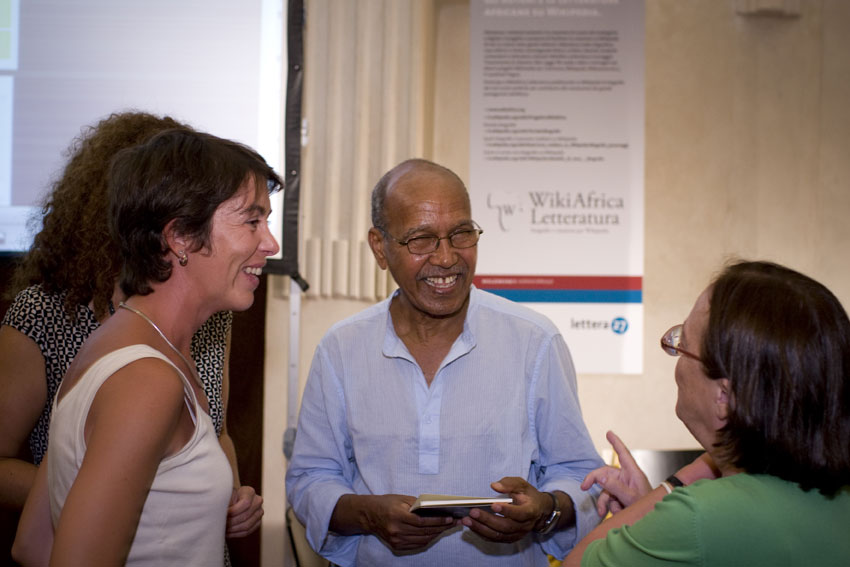
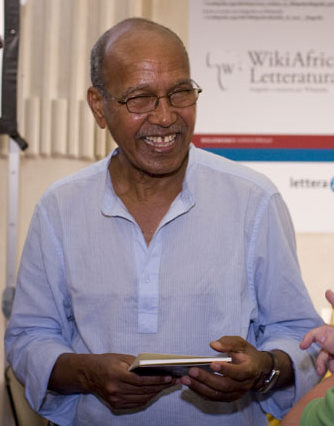
Frequently Asked Questions
Who is Nuruddin Farah?
Nuruddin Farah is a Somali novelist, playwright, and essayist born on 24 November 1945 in Baidoa, Italian Somaliland. He is widely regarded as one of the most prominent literary voices to emerge from East Africa in the latter half of the twentieth century.
What are Nuruddin Farah's most famous works?
His debut novel *From a Crooked Rib* (1970) is frequently cited as a foundational text of modern East African literature. He is also best known for two major trilogies—*Variations on the Theme of an African Dictatorship* and *Blood in the Water*—that explore political turmoil and social change in Somalia.
Why is Nuruddin Farah important to African literature?
Farah helped establish a distinct Somali literary voice in English and is often described as a cornerstone figure of contemporary East African writing. His broad body of work, spanning novels, stage and radio plays, and essays, tackles themes of dictatorship, identity, and the African diaspora.
Where does Nuruddin Farah live and work?
After leaving Somalia in the 1970s, Farah has been a long-term expatriate, teaching and writing across the United States, Britain, Germany, Italy, Sweden, Sudan, India, Uganda, Nigeria, and South Africa. His extended diaspora experience deeply informs much of his fiction.
Has Nuruddin Farah won the Nobel Prize in Literature?
Farah has been a perennial nominee for the Nobel Prize in Literature but has not yet received the award. Despite this, he is routinely mentioned among the most celebrated living African writers.
More in African And African Diaspora Writers 1-24
Spotted an error? Know more?
This is a living reference — every entry is fact-audited, and reader corrections feed straight into our audit queue. Suggest an edit · See this site's audit record